Mole & birthmark check
Birthmark and mole check by an experienced dermatologist at the Derma Medical Clinic in Zurich - Sihlcity
Mole & birthmark check
Chronische Abszesse und schmerzhafte Knoten durch erfahrenen Hautarzt abklären und behandeln in der Derma Medical Clinic in Zürich - Sihlcity
Check moles and birthmarks regularly:
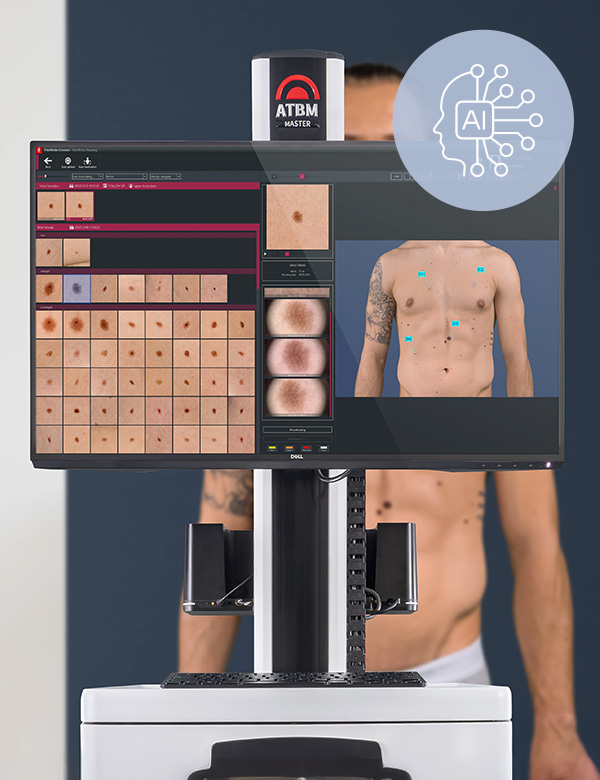
Comprehensive skin examination with high-resolution whole-body imaging, analyzed for suspicious changes using AI – supplemented by a special skin lens that makes even the smallest details visible
Examinations
Digital whole-body skin screening
Dermoscopy
Procedure
Thorough skin screening
Tissue sample if required
Duration
between 20 and 30 minutes
Mole check at a glance
What is a mole?
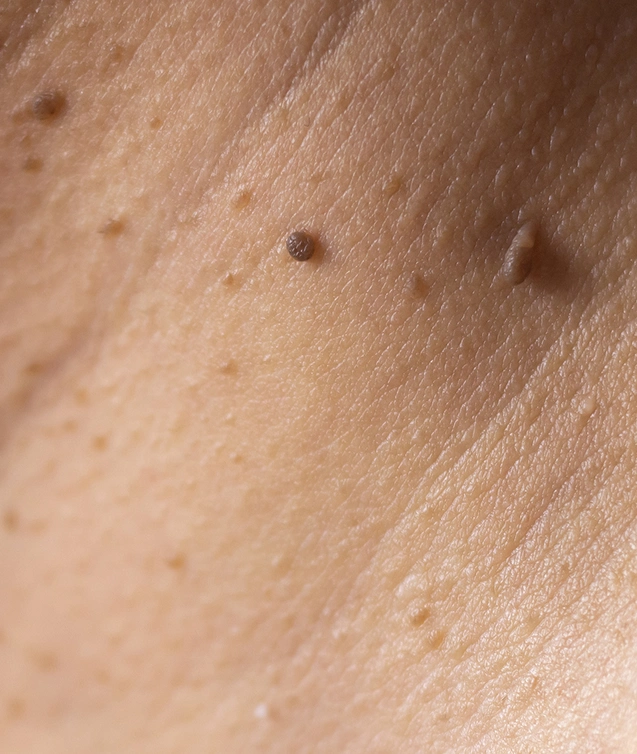
A mole – also colloquially called a birthmark – is a benign cluster of cells that produce the pigment melanin, appearing as brown, black, or skin-colored spots.
Most moles/birthmarks are harmless. However, some change in size, shape, or color and can be signs of skin cancer.
Moles are therefore a major focus in the early detection of skin cancer, because malignant skin cancer often develops from existing birthmarks.
A mole check is important if you…
- have many or suspicious moles or birthmarks that are changing in shape, color, size, or surface
- have had frequent sunburns
- have a family history (e.g., cases of skin cancer in the family)
- a mole or birthmark itches, bleeds, or feels irregular
Even without risk factors, we recommend regular checks for early skin cancer detection, especially from the age of 35.

What is a mole?
A mole – also colloquially called a birthmark – is a benign cluster of cells that produce the pigment melanin, appearing as brown, black, or skin-colored spots.
Most moles/birthmarks are harmless. However, some change in size, shape, or color and can be signs of skin cancer.
Moles are therefore a major focus in the early detection of skin cancer, because malignant skin cancer often develops from existing birthmarks.
Who should have a mole check?
A mole check is important if you…
- have many or suspicious moles or birthmarks that are changing in shape, color, size, or surface
- have had frequent sunburns
- have a family history (e.g., cases of skin cancer in the family)
- a mole or birthmark itches, bleeds, or feels irregular
Even without risk factors, we recommend regular checks for early skin cancer detection, especially from the age of 35.
Treatment
During the skin examination at the Derma Medical Clinic, your skin is first thoroughly examined with a special skin lens (dermatoscope). This allows details to be seen that would not be visible to the naked eye.
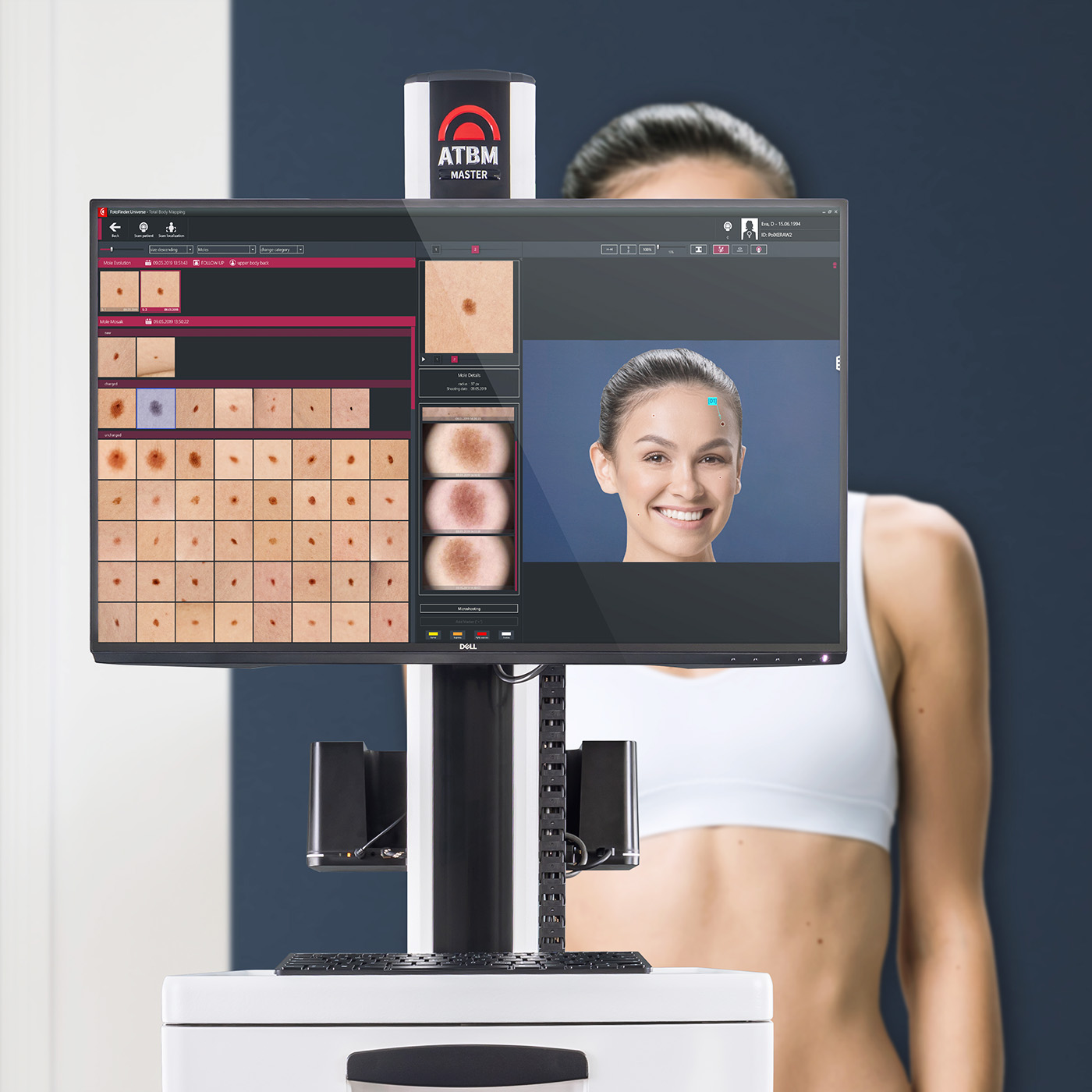
Suspicious moles or birthmarks are also photographed with a high-resolution camera (FotoFinder Full-Body Mapping) to document them and compare them over time.
A computer-aided analysis with artificial intelligence helps us to reliably evaluate even subtle changes. In addition, high-resolution photo documentation enables precise follow-up monitoring by comparing current images with previous ones.
What happens if something is suspicious?
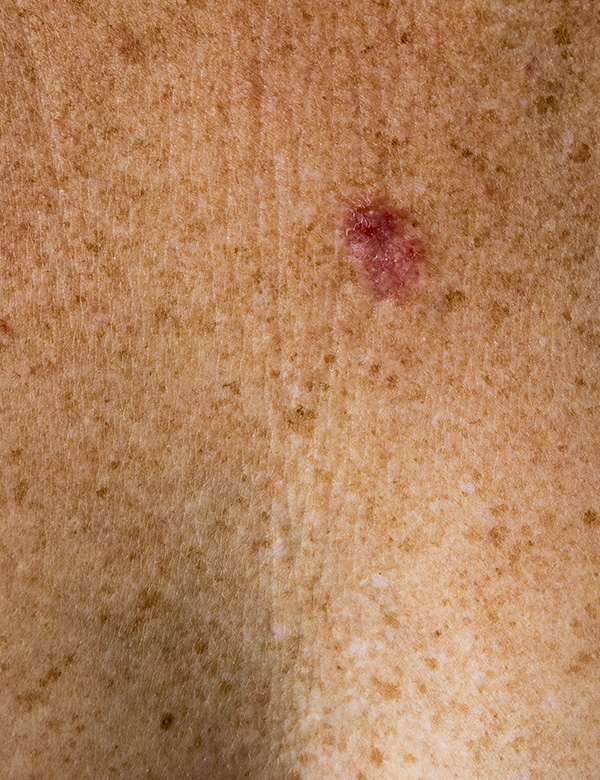
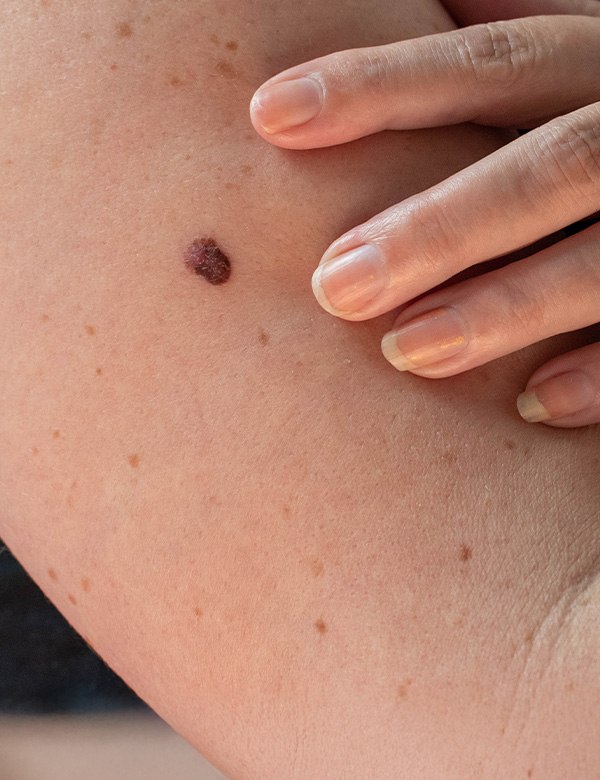
If a mole appears suspicious, for example because it is asymmetrical, has irregular borders, shows multiple shades, or has increased in size, a small tissue sample (biopsy) can be taken directly on-site.
The sample is sent to a specialized laboratory and evaluated within a few days.
If a mole needs to be removed, the procedure takes place directly in our own certified operating theater.
What is the process for a mole check?
Personal consultation and risk assessment
An in-depth consultation in which we discuss your skin health, possible changes, family history, and risk factors together.
Thorough skin examination
Your entire skin is carefully examined with a special skin lens (dermoscopy) and, if appropriate, with high-resolution digital whole-body imaging.
Discussion of results and recommendation
Immediately afterwards, we explain the examination results and advise you on possible next steps – whether observation, further clarification, or treatment directly on-site.
At the Derma Medical Clinic, mole checks are performed exclusively by experienced specialists in dermatology:
- Benjamin Miller, Specialist in Dermatology and Phlebology
- Markus Dendorfer, Specialist in Dermatology and specialized Pediatric Dermatologist
Both bring many years of experience in skin cancer screening and state-of-the-art skin diagnostics.
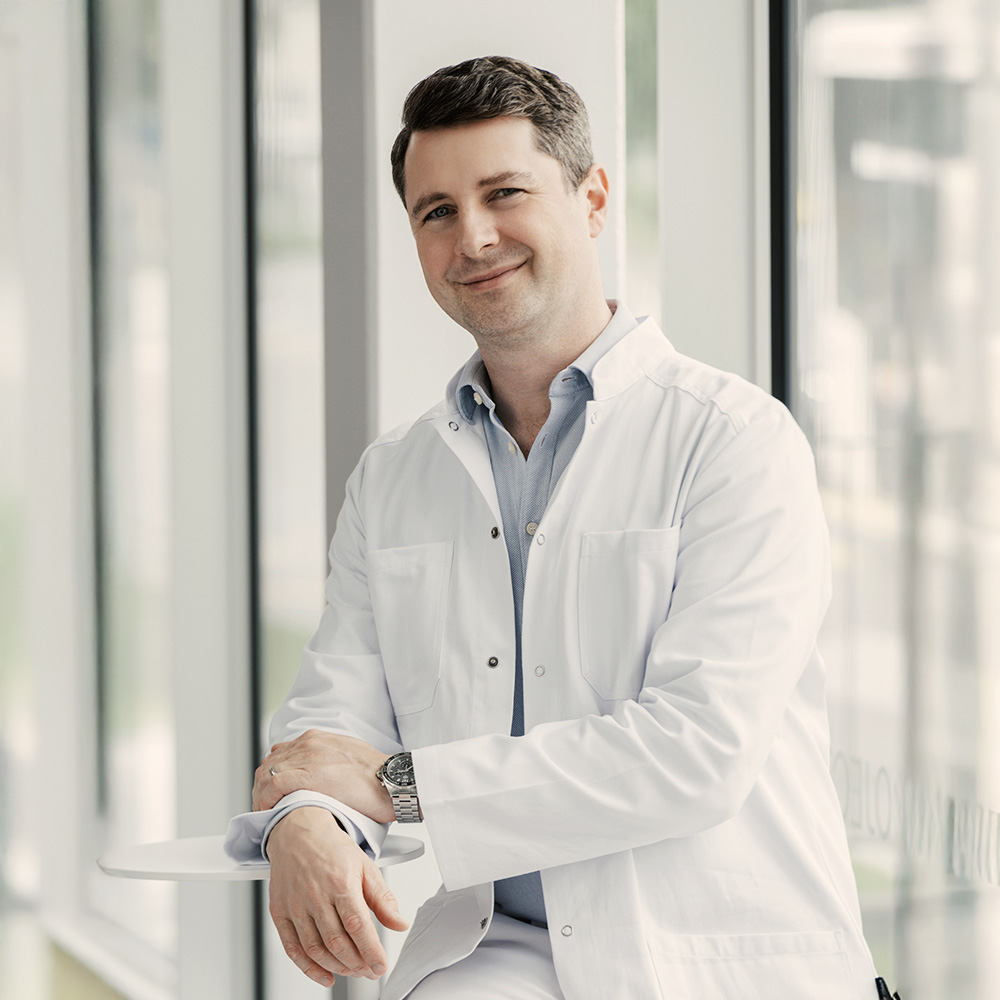
Dr. med. Benjamin Miller
Board-certified Specialist in Dermatology & Venereology FMH

Dr. med. Markus Dendorfer
Board-certified Specialist in Dermatology & Venereology FMH
What you can expect from us
State-of-the-art diagnostics
Examination with a special skin lens (dermatoscope), high-resolution whole-body imaging (FotoFinder Full-Body Mapping) and, if necessary, immediate tissue sampling for suspicious skin changes. Everything takes place directly on-site and from a single source.
In-house OR and examination room
Suspicious skin changes are removed in our own operating theater under local anesthesia. We ensure procedures are as minimally invasive as possible for an aesthetically optimal result.
Gentle procedures
Our procedures are designed to put as little strain on your skin as possible and to preserve the natural appearance of the skin.
Private lounge area
For your privacy and comfort during further examinations.
Would you like to have suspicious birthmarks examined or simply take regular precautions?
Book an appointment now for a mole check at the Derma Medical Clinic in Zurich - Sihlcity.
FAQ - Frequently asked questions about mole checks
What is the difference between a mole and a birthmark?
There is no medical difference – mole and birthmark refer to the same skin change. Both terms represent mostly benign clusters of pigment-forming cells that appear as dark spots on the skin. In medical terminology, they are called “nevi.” Colloquially, the term birthmark is used more frequently, while mole is more common in preventive medicine.
How exactly does a mole check at the dermatologist work?
During a mole check, the dermatologist examines your entire skin from head to toe for suspicious moles.
A special skin lens (dermoscopy) and, if required, digital whole-body imaging (FotoFinder Full-Body Mapping) are used. Suspicious moles can be documented immediately or clarified further.
How often should you have a mole check?
Generally, a mole check is recommended once a year. With certain risk factors – such as fair skin type, family history, or many moles – more frequent skin screening may be advisable.
What signs indicate a suspicious mole?
Suspicious moles show changes in shape, color, size, or symmetry. Warning signs include, for example, irregular borders, dark discoloration, rapid growth, itching, or bleeding.
Can I have a mole check during pregnancy?
Yes, a mole check during pregnancy is possible and in many cases even recommended.
Hormonal changes can affect moles – regular skin cancer screening provides additional peace of mind.
What is a digital mole check?
In a digital mole check, moles are photographed in high resolution and evaluated with computer assistance. The process allows for a more precise assessment and long-term comparison of skin changes – for even better early detection of skin cancer.
What happens if a suspicious mole is discovered?
In our clinic, we can immediately clarify or treat suspicious skin changes, all from a single source and without additional travel.