
Lipedema Assessment & Therapy
Lipedema is a chronic fat distribution disorder that primarily affects the legs and sometimes the arms. Typical symptoms include uneven fat distribution, pressure pain, and an increased tendency to bruise. At the Derma Medical Clinic, we clarify your symptoms and plan the appropriate therapy.


Lipedema
Clarify and treat chronic abscesses and painful nodules with an experienced dermatologist at the Derma Medical Clinic in Zurich - Sihlcity
Signs that indicate lipedema
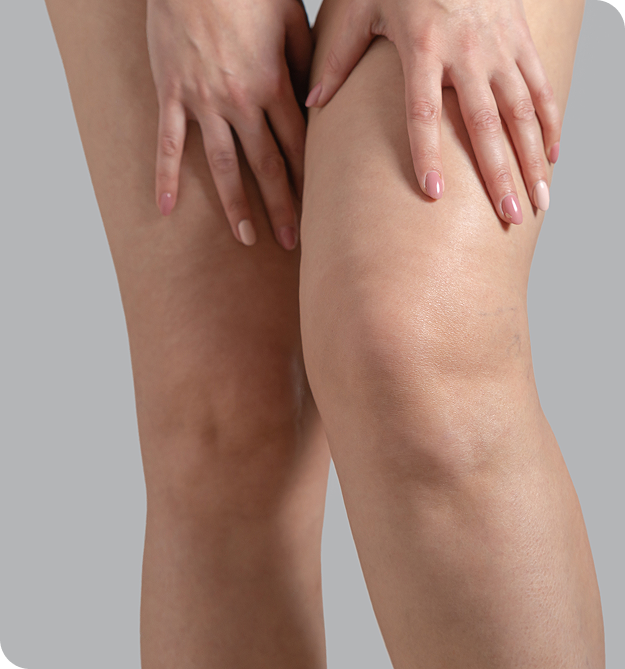
Lipedema develops gradually. Many sufferers report heavy, pressure-sensitive legs that hardly improve despite exercise or weight reduction.
Symmetrical distribution is typical, while feet and hands are often unaffected. This differentiation and specialist assessment are important, as lipedema is often confused with lymphedema or obesity. In some cases, both lymphedema and lipedema are present.
Treatment Options
Procedure
Examinations
Duration
Socially presentable after treatment
Sports, Swimming, Sauna
When is it useful to clarify lipedema?
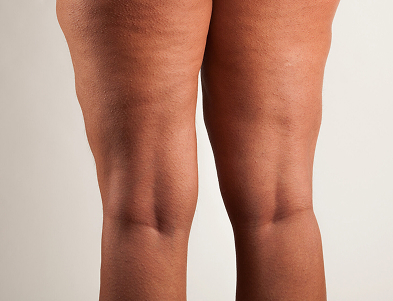
Lipedema is a chronic fat distribution disorder that affects almost exclusively women. Typical is a disproportionate increase in legs or arms, while the upper body, hands and feet usually remain slim. Because the tissue hurts when pressed, the legs swell and bruises appear quickly, it is often mistakenly interpreted as being overweight or as lymphedema (water retention), venous insufficiency. These misdiagnoses mean that those affected remain without proper treatment for years. A targeted diagnosis brings clarity here and opens the way to suitable therapies.
Signs that indicate lipedema
Lipedema develops gradually. Many sufferers report heavy, pressure-sensitive legs that hardly improve despite exercise or weight reduction.
Symmetrical distribution is typical, while feet and hands are often unaffected. This differentiation and specialist assessment are important, as lipedema is often confused with lymphedema or obesity. In some cases, both lymphedema and lipedema are present.
Diagnostics & Therapy for Lipedema
Vascular screening and ultrasound
Diagnosis is made through clinical examination and assessment of fat distribution, pressure sensitivity, and symptoms. Additionally, we use ultrasound to check whether a venous disease or lymphedema is also present.
Advanced diagnostics for unclear findings
Therapy depends on the stage and individual symptoms. This includes compression, exercise, lymphatic drainage, and structured support. In the case of pronounced findings, surgical treatment may also be appropriate.
Therapy tailored to findings and stage
We recommend treatment if pain, pressure sensitivity, or increasing restrictions in everyday life occur. Early intervention is also advised if the disease progresses.
Why have lipedema treated by us?

Specialist classification of lipedema
Any swelling is carefully examined at our clinic. It is important to clarify whether it is actually lipedema or another cause.

Experienced Doctors
The assessment is carried out by a specialist in angiolog y, internal medicine and phlebology with many years of experience in diagnosing and treating lipedema.

Modern diagnostics
We combine the clinical examination with specialized ultrasound analyses and screening procedures and, if needed, additional imaging.

Individual Consultation
You will receive a clear assessment of your findings, the stage, and the next sensible steps in diagnosis and treatment.
How Does Lymphedema Assessment Proceed?
Initial consultation & assessment
We talk about your symptoms, the development over time and typical changes in hormonal transition phases.
Examination & ultrasound
We examine legs and arms, check for pressure pain, feeling of tension and tissue structure. With vascular screening and ultrasound, we differentiate lipedema from lymphedema, venous insufficiency or other causes.
Evaluation & Therapy
If lipedema is present, we determine the stage and discuss suitable treatment options. If there is no lipedema, we explain the findings and what further steps make sense.

Years of experience with lipedema
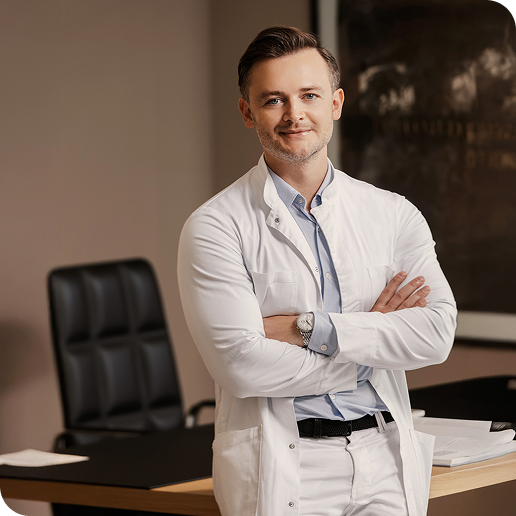
Lipedema is a complex condition that requires experience in both diagnosis and therapy. At the Derma Medical Clinic, assessments are carried out by our specialized vascular medicine expert. As your practitioner, Dr. Andreas Gutwein will reliably determine whether lipedema is present, how far it has progressed, and which therapy is appropriate. An individual treatment plan is developed, taking all effective treatment options into account.
Dr. Andreas Gutwein is responsible for the assessment and treatment of vascular diseases at the Derma Medical Clinic; as a specialist in angiology, general internal medicine, and phlebology, he is an expert in this field and has many years of experience in the diagnosis and treatment of lipedema.
What you can expect from us
Angiology: vascular medicine
Angiology is the specialized discipline in medicine for connective tissue, venous, arterial, and lymphatic vessels. This ensures that lymphedema is not dismissed as mere swelling but is taken seriously as a medical condition.
Vascular ultrasound: precise diagnostics
We combine clinical examination with ultrasound and—if necessary—further imaging. This allows us to reliably distinguish lipedema from lymphedema, venous diseases, or obesity.
Vascular medicine meets dermatology
Many vascular conditions first become noticeable on the skin—through swelling, color changes or visible veins. At Derma Medical Clinic, vascular medicine and dermatology therefore complement each other perfectly.
Everything under one roof
You receive diagnosis, medical treatment, and cosmetic support in one place. This means you have fixed contact persons, short distances, and coordinated care, from the initial examination to aftercare.
What patients say about our treatment
Do you suspect lipedema, but have not yet received a clear diagnosis?
Have changes in your arms and legs clarified.
FAQ
Frequently asked questions about lipedema
What is lipedema?
Lipedema is a chronic disorder of fat distribution. Typical are painful, disproportionate fat accumulations, especially on the buttocks, thighs and legs, sometimes also on the arms. They disappear neither through diet nor through sport and often continue to increase over time.
How do I recognize lipedema?
Signs include heavy, pressure-sensitive legs or arms that increase during the day, rapid formation of bruises and a disproportionate fat distribution compared to the upper body.
How is lipedema diagnosed?
The diagnosis is made by a physical examination, often supplemented by ultrasound or other imaging methods. It is important to differentiate and exclude other underlying diseases.
Who makes the diagnosis of lipedema?
In general, angiologists (vascular physicians) are responsible. They can recognize the typical changes and rule out other causes.
Can lipedema be treated with sport or diet?
Sport and weight reduction can alleviate the symptoms, but do not change the diseased fatty tissue. The lipedema itself remains.
What treatment options are available for lipedema?
The proven therapies usually include non-surgical measures, in addition to weight control, especially compression therapy (stockings), lymphatic drainage, exercise and skin care. In severe and rare cases, surgical removal of the fatty tissue may be considered.
What happens if lipedema is left untreated?
The symptoms can increase: pain, restricted movement and a deterioration in the quality of life are possible. The risk of secondary lymphedema and venous insufficiency also increases.
Can lipedema worsen during pregnancy?
Yes, hormonal changes – such as in puberty, pregnancy or menopause – can increase the severity or make it visible for the first time.
How does lipedema differ from water retention (lymphedema), venous insufficiency or being overweight?
With lipedema, legs and arms are usually affected on both sides, often with pressure pain and a tendency to bruise.
In contrast, lymphedema is more likely to manifest as one-sided swelling.
Venous insufficiency can be recognized by varicose veins, swelling, and a feeling of heaviness in the legs.
Obesity is distributed evenly over the entire body. With a careful examination and modern diagnostics, we can clearly determine which clinical picture is present or rule it out.