
Treating Circulatory Disorders in the Legs
Pain when walking, cold feet, or slow-healing wounds can indicate impaired circulation. At the Sihlcity Vascular Center, we investigate whether a circulatory disorder in the legs is present and develop an individualized treatment concept based on modern vascular diagnostics.


Circulatory Disorders in Legs
Clarify and treat chronic abscesses and painful nodules with an experienced dermatologist at the Derma Medical Clinic in Zurich - Sihlcity
Recognizing and Treating Arterial Circulatory Disorders
The symptoms of a circulatory disorder depend on the affected vascular region. In cases of narrowing of the pelvic and leg vessels, pain often occurs when walking in the calves, thighs, or buttocks. Other vascular areas can manifest, for example, through weakness, pain, or weight loss.
PAD develops due to narrowing of the arteries, which reduces the flow of oxygen-rich blood to muscles and tissues. It usually develops insidiously and often goes unnoticed at first; in cases of thrombosis or other problems, it can also appear suddenly.
Treatment Options
Procedure
Examinations
Duration
Socially presentable after treatment
Sports, Swimming, Sauna
Cost
When the Walking Distance Shortens
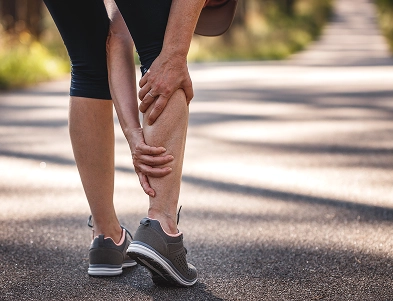
Characteristic of a circulatory disorder of the pelvic and leg vessels are pain or tension in the calves, thighs, or buttocks when walking. After a short break, the symptoms subside. Typically, affected individuals stop regularly and then continue their journey. In the further course, symptoms already appear after short walking distances. Cold feet, slow-healing wounds, or nocturnal pain can be indications of advanced circulatory disorder. Erectile dysfunction (ED) can also be related to circulatory disorders in the pelvic area and should be clarified if necessary.

Why PAD is Considered a Warning Sign
Arterial calcification often affects more than just the legs. The disease is considered an expression of a general vascular disease and can be associated with an increased risk of heart attack, stroke, and other cardiovascular diseases. Erectile dysfunction (ED) can also be partly caused by circulatory disorders in the pelvic area and can be an indication of vascular changes.
Key risk factors include smoking, diabetes mellitus, high blood pressure, elevated blood lipid levels, obesity, lack of exercise, family history, and older age. In diagnostics, we consider overall vascular health. Early diagnosis makes it possible to positively influence the course of the disease.
Arterial Calcification of the Legs
When Is a Consultation Recommended?
An examination is recommended for leg pain when walking, a reduced walking distance, cold feet, or slow-healing wounds. Also for people with diabetes, erectile dysfunction, poorly controlled blood pressure, elevated blood lipid levels, or a history of smoking.
Which therapeutic approach is used?
Treatment depends on the severity of the disease. This includes controlling risk factors, regular exercise, walking training, and medication. Depending on the findings, we recommend further vascular medical treatments or minimally invasive, catheter-based procedures and coordinate further treatment steps as needed.
What Happens During the Examination?
After a detailed discussion, a comprehensive examination of the arterial circulation of the lower extremities is carried out. Modern, non-invasive procedures and color-coded duplex sonography reliably show the location and extent of circulatory disorders. The results form the basis for an individually tailored therapy plan.
Why have a Circulation Check with Us?

Expert Classification of Circulatory Disorders
Leg complaints have various causes. We clarify whether an arterial circulatory disorder is present and how severe it is.

Experienced Doctors
The examination is performed by experienced vascular specialists with many years of experience in the diagnosis and treatment of vascular diseases.

Modern diagnostics
We combine clinical examination with high-resolution ultrasound systems and special circulation measurements for precise, reliable vascular assessment. This allows your vascular health to be soundly evaluated.

Individual Consultation
You will receive an understandable assessment of your findings and concrete recommendations for the next sensible steps.
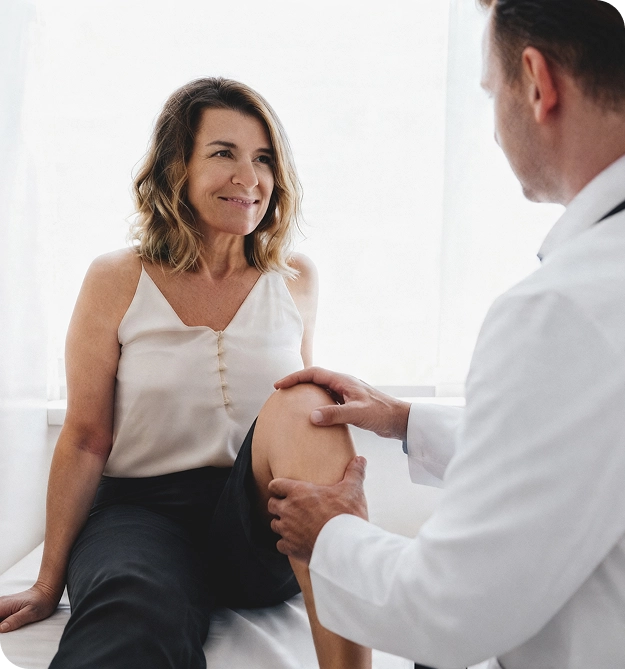
Procedure
Initial Consultation & Examination
We take the time to understand your symptoms, possible risk factors, and pre-existing conditions in detail. Afterwards, we carefully examine the circulation in your legs and review provided documents to get an accurate picture of your vascular health.
Vascular Diagnostics
With modern ultrasound examinations and precise circulation measurements, such as the ankle-brachial index (ABI), oscillography, and other measurement methods, we get to the bottom of your complaints.
Treatment planning
We discuss your results in detail with you and explain what they mean for your health. Together, we develop a treatment concept that is precisely tailored to you and your situation.
Follow-up Checks
If necessary, we will therefore accompany you beyond the initial treatment, coordinate further steps, and secure your treatment success with regular check-ups.

"Circulatory disorders often develop insidiously. Early diagnosis creates the basis for effective treatment and long-term vascular protection."
Dr. med. Andreas Gutwein is a specialist in Angiology FMH, specialist in General Internal Medicine FMH, and Phlebologist with many years of experience in the diagnosis and treatment of vascular diseases. He heads the Sihlcity Vascular Center. His specialties include the diagnosis and treatment of diseases of the arteries, veins, and lymphatic vessels, as well as lipedema. In case of suspected circulatory disorder, he combines clinical examination with modern vascular diagnostics and develops an individualized treatment concept based on personal risk factors.

What you can expect from us
Medical expertise meets modern vascular medicine
We never consider leg circulation in isolation, but always in connection with the entire cardiovascular system.
Everything under one roof
Clarification, diagnostics, consultation, and follow-up checks are carried out at our Sihlcity Vascular Center. This means for you: fixed contact persons and coordinated care, from the initial examination to aftercare.
Modern Diagnostics Implemented Sensibly
With ultrasound and circulation measurements, we assess your vessels precisely and reliably – as the basis for every further decision.
Individual planning instead of standard solutions
Because every vascular disease is as individual as the person it affects. Therefore, we always tailor diagnostics and therapy to your personal situation.
What patients say about our treatment
Unsure if your symptoms indicate a circulatory disorder?
Have it clarified whether a vascular disease is behind it, and book your appointment now at the Derma Medical Clinic in Zurich-Sihlcity.
FAQ
Frequent Questions about Arterial Calcification
How can I prepare for the appointment?
Appear fasting / Medications / Compression stockings
If the abdominal vessels are also to be examined, appearing fasting is advantageous – but not a mandatory prerequisite. Usual medications can be taken as prescribed. Compression stockings are not required for this examination.
Documents to bring
Existing previous findings, referral, and – if available – current medication and diagnosis list.
Behavioral recommendations
No special preparations required; comfortable footwear recommended, especially if a walking test is performed.
Arrival time
Approx. 30 minutes before the appointment, for administrative registration, preparation, and preliminary examinations/measurements.
How do I recognize a circulatory disorder in the legs?
Signs can be pain or tension in the calves, thighs, or buttocks when walking. Symptoms usually improve after a short break. Cold feet, slow-healing wounds, or reduced exercise capacity can also be indications. Depending on which vessels are affected, generalized arterial calcification can also manifest differently: erectile dysfunction, unexplained back pain, exertion-dependent dizziness or weakness in the arms (if upper extremities are involved), unexplained weight loss (if intestinal arteries are narrowed), or difficult-to-control high blood pressure (in renal artery stenosis).
What is intermittent claudication?
The term intermittent claudication describes a typical symptom of PAD (peripheral arterial disease). Affected individuals must regularly stop walking because of leg pain. After a short break, they can continue their journey. If another vascular area is affected, narrowing can also manifest as dizziness, erectile dysfunction, weakness in the arms, unintentional weight loss, or difficult-to-control high blood pressure.
Who has an increased risk for PAD?
Key risk factors include:
- Smoking
- Diabetes mellitus
- High blood pressure
- Elevated cholesterol levels
- Obesity
- Lack of exercise
- Family history
- Older age
- Erectile dysfunction
Can a circulatory disorder exist without symptoms?
Yes, in early stages often asymptomatic, therefore often discovered late. Even without classic leg complaints, warning signs such as exertion-dependent dizziness or erectile dysfunction can indicate a generalized vascular disease – clarification may be useful even before symptoms appear.
How is a circulatory disorder diagnosed?
The basis is the medical consultation and physical examination. Additionally, modern measurement methods (further treatments: arterial measurement of the ankle-brachial index (ABI) and oscillography). The entirety of these examinations allows for an accurate assessment of circulation.
What is the Ankle-Brachial Index (ABI)?
With ABI, blood pressure is measured in the arms and legs and compared. The examination is painless and provides important information about possible circulatory disorders in the legs.
Can a circulatory disorder disappear again?
Existing vascular narrowings do not always fully recede. However, modern therapeutic procedures can often improve circulation and alleviate symptoms. Depending on the findings, outpatient and minimally invasive treatments are often possible today. Controlling risk factors also supports long-term vascular preservation.
What Treatment Options Are Available?
Therapy depends on the severity of the disease. Possible measures include:
- Walking training and exercise therapy
- Smoking cessation
- Treatment of high blood pressure, diabetes, and elevated blood lipid levels
- Medications for vascular protection
- Catheter-based interventions or vascular surgical treatments for pronounced narrowings
Why is exercise important for PAD?
Regular walking training promotes the formation of small collateral circulations in the vessels and can improve exercise capacity. It is one of the most important components of treatment.
Can smoking worsen a circulatory disorder?
Smoking is considered one of the most significant risk factors for the development and progression of PAD. Therefore, smoking cessation is one of the most important therapeutic measures.
What consequences can untreated PAD have?
In advanced stages, persistent pain, slow-healing wounds, or tissue damage can occur. Furthermore, PAD increases the risk of heart attack and stroke.
Is a circulatory disorder the same as varicose veins?
Varicose veins or venous insufficiency affect the veins, i.e., the blood vessels that return blood to the heart. A circulatory disorder or arterial calcification affects the arteries, which supply organs and tissues with oxygen-rich blood.
When should I have my legs examined by a vascular specialist?
An examination is recommended for symptoms such as pain when walking, cold feet, or slow-healing wounds, as well as for known risk factors such as diabetes, smoking, or high blood pressure. A comprehensive clarification of the vascular and circulatory situation – from the leg and abdominal vessels to the heart and brain vessels – can also be useful if there is an increased risk of cardiovascular diseases.
Is a circulatory disorder curable?
An occlusion or high-grade narrowing can be treated. Already advanced vascular calcification must be controlled but is not completely reversible. With early diagnosis, consistent treatment of risk factors, and individualized therapy, the course can often be slowed down or improved.