Acne
Diagnose and treat skin impurities by an experienced dermatologist at Derma Medical Clinic in Zurich - Sihlcity.
Diagnose and Treat Acne
Chronische Abszesse und schmerzhafte Knoten durch erfahrenen Hautarzt abklären und behandeln in der Derma Medical Clinic in Zürich - Sihlcity
Treat impure skin, pimples, or blackheads in our acne consultation: Diagnosis and therapy by experienced dermatologists in close collaboration with our skin therapist – for a seamless combination of medical acne therapy and effective dermo-cosmetic care.
Examinations
Thorough skin examination
Analysis of possible triggers
Clarification of other causes
Therapy
Individual treatment plan
Professional cosmetic treatments
Duration
approx. 20–30 minutes
Acne - Diagnosis at a Glance
What is acne?
Acne is not a matter of poor hygiene, but an inflammatory skin condition that occurs when sebaceous glands become clogged and inflamed.
Several factors can contribute to this: excess sebum, keratinization disorders, bacteria in the pores.
Hormones, genetic predisposition, or external irritants such as skincare products or stress can also play a role. Acne appears not only on the face but often also on the back, chest, or shoulders and can be distressing to varying degrees depending on its severity.
This diagnosis is particularly important if you…
- repeatedly develop pimples, blackheads, or inflamed skin areas, whether on your face, back, or chest
- suffer from oily, large-pored, or impure skin that does not respond to care
- are unsure whether it is actually acne or another skin condition.
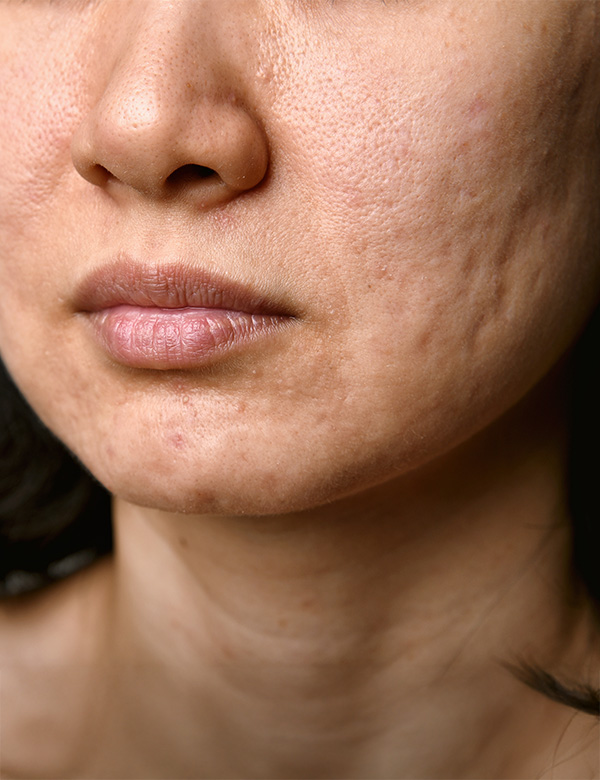
- notice scars or dark spots after healed pimples and want to prevent them, or desire an acne therapy that combines medical treatment with cosmetic procedures (e.g., peels, extractions, Hydrafacial)

What is acne?
Acne is not a matter of poor hygiene, but an inflammatory skin condition that occurs when sebaceous glands become clogged and inflamed.
Several factors can contribute to this: excess sebum, keratinization disorders, bacteria in the pores.
Hormones, genetic predisposition, or external irritants such as skincare products or stress can also play a role. Acne appears not only on the face but often also on the back, chest, or shoulders and can be distressing to varying degrees depending on its severity.
For whom is acne diagnosis and treatment useful?
This diagnosis is particularly important if you…
- repeatedly develop pimples, blackheads, or inflamed skin areas, whether on your face, back, or chest
- suffer from oily, large-pored, or impure skin that does not respond to care
- are unsure whether it is actually acne or another skin condition.
- notice scars or dark spots after healed pimples and want to prevent them, or desire an acne therapy that combines medical treatment with cosmetic procedures (e.g., peels, extractions, Hydrafacial)
Treatment
In our acne consultation, the focus is on careful analysis: We conduct a thorough skin analysis:
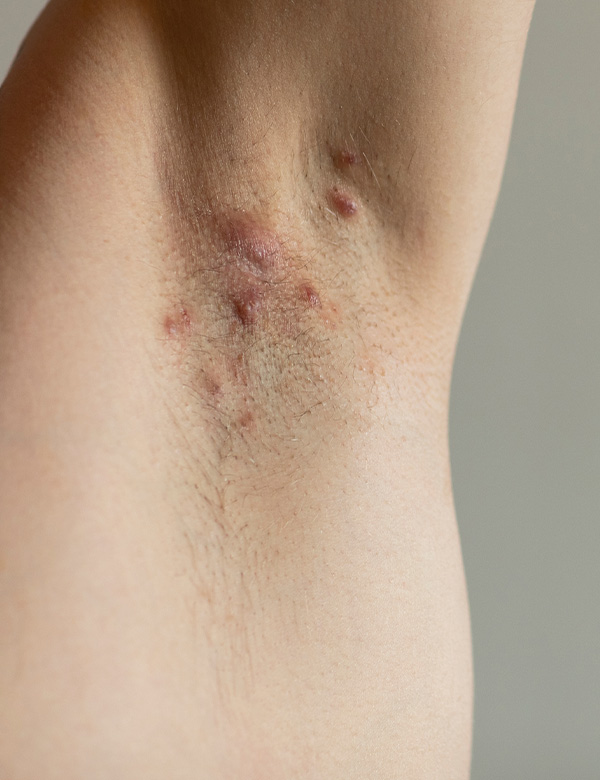
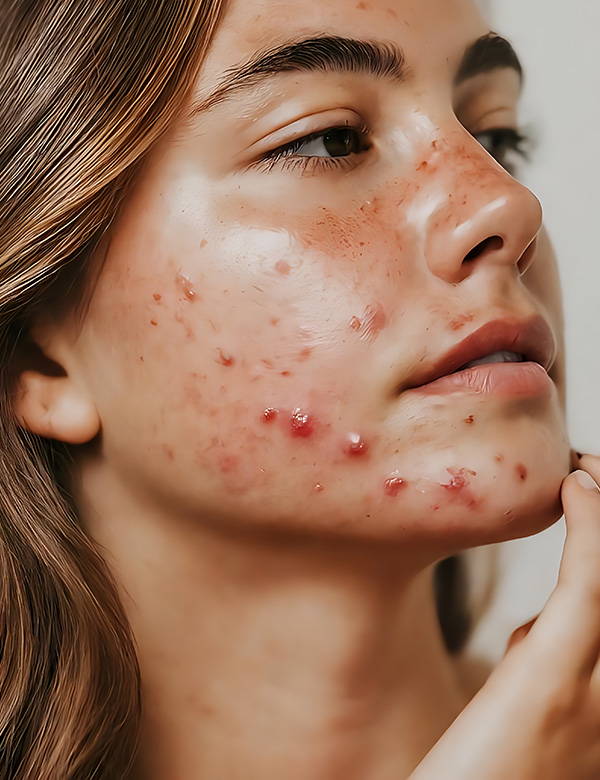
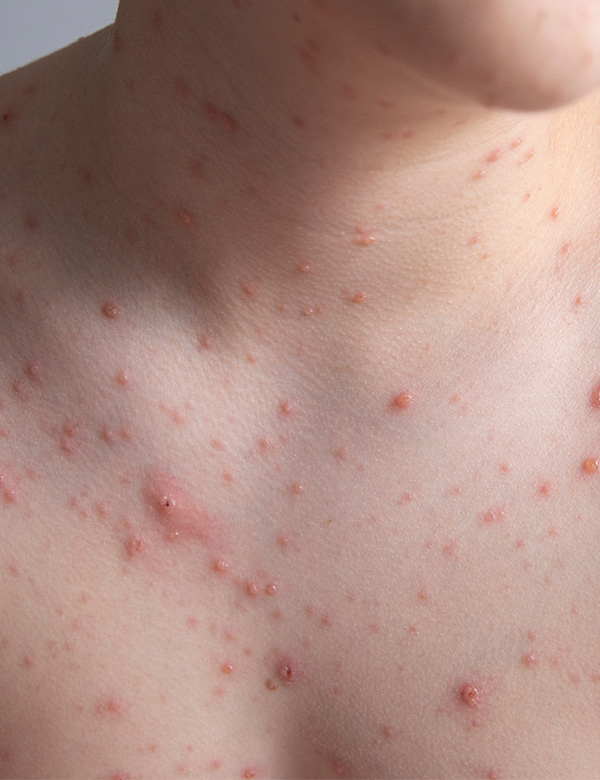
- Type of impurities (e.g., blackheads, inflammatory pimples, nodules)
- Severity and distribution on the face, back, or chest
For unclear findings, additional examinations such as a swab or hormone clarification may be useful.
What happens during acne treatment?
Treatment always depends on the severity of the acne and what was found during the examination. The goal is to calm inflammation, reduce impurities, and prevent scarring.
To achieve this, we combine the following measures as needed:
Medical therapy:
e.g., creams, gels, or tablets (such as antibiotics or vitamin A acid preparations) that regulate sebum production and inhibit inflammation.
Skin therapy:
Extractions, peels, or Hydrafacial can help unclog pores and visibly improve the skin’s appearance.
Long-term support:
We regularly adjust the treatment, advise on proper skincare, and provide tips on how to avoid new flare-ups.
Acne Diagnosis Process
Personal Consultation & Skin Analysis:
In the first appointment, we record your medical history, previous therapies, and complaints. The dermatologist thoroughly examines the skin, determines the type of acne, and clarifies possible triggers.
Therapy Planning:
We create an individual treatment plan: from medical creams and medications to medical cosmetic treatments such as peels or extractions.
Skin Therapy (if necessary):
Our skin therapist performs treatments that clarify the skin and support medical treatment (e.g., Hydrafacial, deep cleansing).
Follow-ups & Adjustments:
Regular check-ups ensure treatment success. Therapy is adjusted as needed to achieve stable skin in the long term.
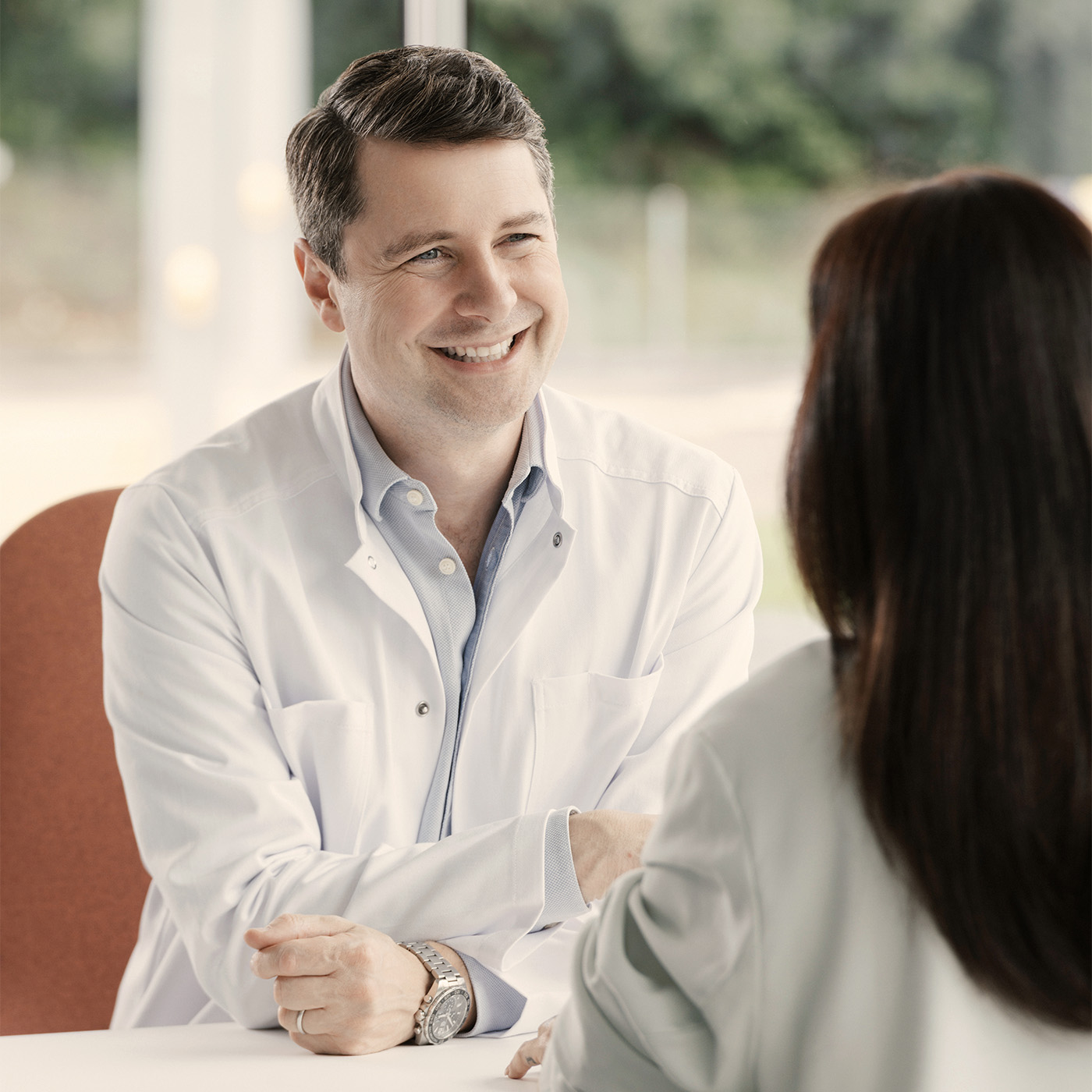
In our acne consultation, you will be cared for by experienced dermatologists and our skin therapist. All three have many years of experience in the diagnosis and treatment of acne and skin impurities, from mild forms to severe courses.
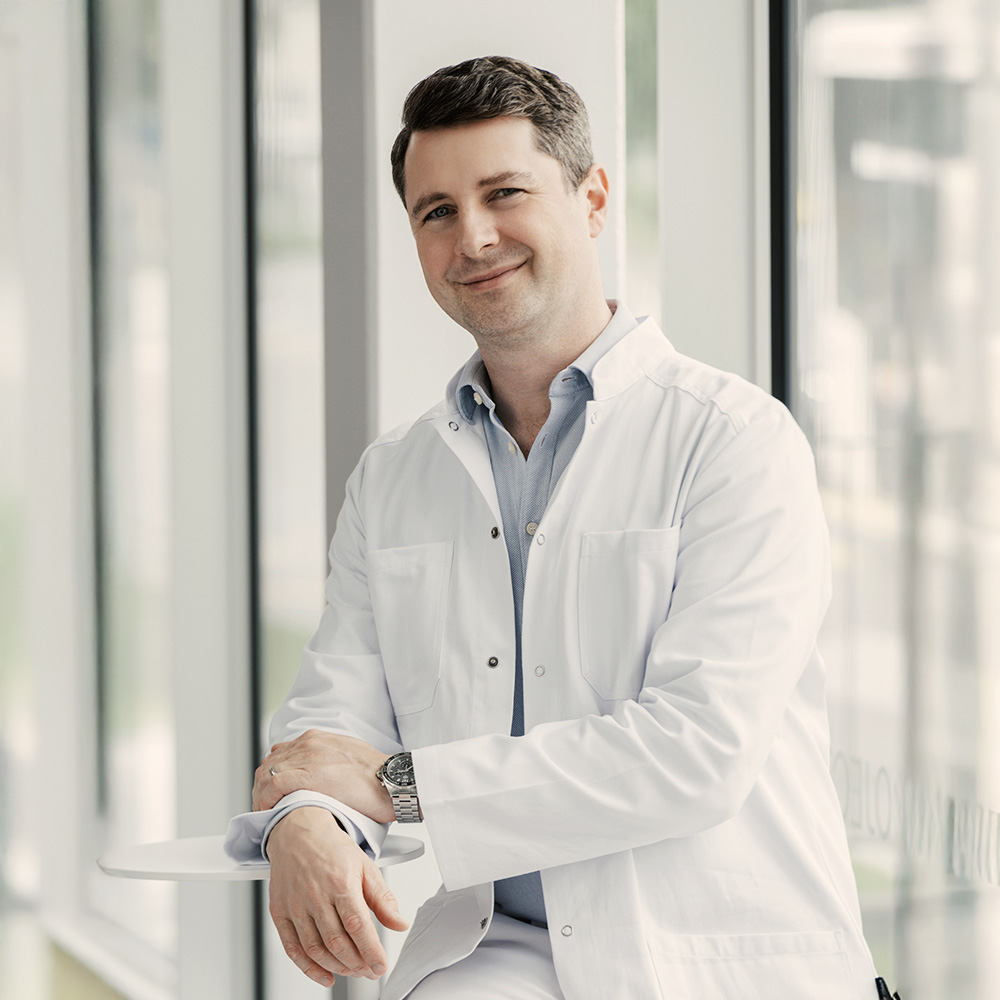
Dr. med. Benjamin Miller
Board-certified Specialist in Dermatology & Venereology FMH

Dr. med. Markus Dendorfer
Board-certified Specialist in Dermatology & Venereology FMH
What you can expect from us
Dermatology & Skin Therapy under one roof
We combine medical therapy with supportive medical cosmetic treatment for the best possible results.
Experience with severe acne
We don’t just treat mild skin impurities. We also have treatment approaches for deep nodules, therapy-resistant acne, or acne scars – from medication adjustment to post-treatment by our skin therapist.
Everything under one roof
You will receive diagnosis, medical treatment and skin therapeutic support in one place. This gives you fixed contact persons, short distances and coordinated care, from the initial examination to aftercare.
More than just skin
Our goal is not just short-term relief: we not only treat the visible symptoms but also consider hormonal influences, lifestyle, and psychological stress, because acne is more than just a skin issue.
You don't have to live with pimples, blackheads, or inflamed skin.
Book an appointment now for diagnosis and possible treatment at Derma Medical Clinic in Zurich – Sihlcity.
FAQ - Frequently Asked Questions about Acne Diagnosis and Treatment
What is acne and how does it develop?
Acne is an inflammatory skin condition where sebaceous glands become clogged and bacteria multiply. Common causes include hormonal changes (e.g., puberty), stress, certain medications, or genetic predisposition.
When should I see a dermatologist for impure skin?
If pimples, blackheads, or inflammation recur, worsen, or leave scars, a dermatologist’s assessment is advisable. Even if home remedies or over-the-counter products don’t help, a medical evaluation is worthwhile.
How is acne diagnosed?
The dermatologist thoroughly examines the skin, determines the type of acne, and inquires about possible triggers. If necessary, additional clarifications such as a hormone status or a swab are performed.
What treatment options are available for acne?
Treatment depends on the severity: it ranges from medical creams and cleansing gels to antibiotics or hormone therapies, and special tablets (e.g., vitamin A acid preparations) for severe acne. Additionally, cosmetic treatments such as peels, Hydrafacial, or extractions support the results.
What does a skin therapist do and what is the difference to a beautician?
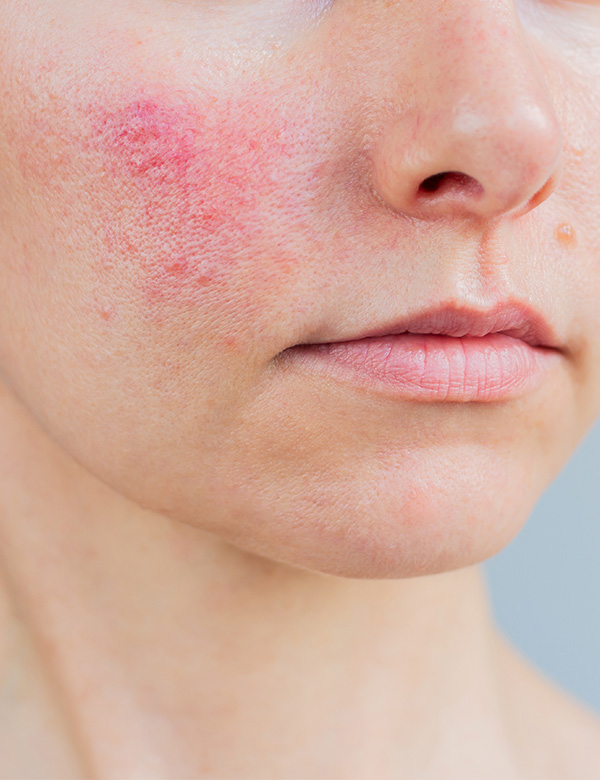
A skin therapist specializes in the professional care and accompanying treatment of skin problems such as acne, rosacea or pigment disorders. In contrast to the classic beautician, she works closely with dermatologists and uses modern treatment methods as well as medically coordinated active ingredients. In the Derma Medical Clinic, each application is carried out by a qualified skin therapist, individually tailored to skin type and skin condition.
How long does acne treatment take?
First improvements often appear after 4 to 6 weeks. To achieve stable, clear skin, treatment over several months is usually necessary.
What helps with acne scars?
Various methods are available for scar treatment, such as laser therapy, microneedling, chemical peels, or special medical creams. The appropriate method depends on the depth and type of the scars.
What skincare supports acne treatment?
Key elements are gentle cleansing, oil-free moisturizers, and non-comedogenic products. Aggressive cleansers or excessive exfoliation can further irritate the skin and should be avoided.
Does diet help in treating acne?
A healthy, balanced diet can support skin health. Some patients report improvements when, for example, they avoid dairy products or highly sugary foods. The impact varies individually.
Is acne curable?
Acne is highly treatable, but it often does not clear up “on its own.” With the right therapy, the skin’s appearance can be significantly improved, and new breakouts can be specifically prevented or reduced.