
Diagnose Lymphedema
Lymphedema assessment – diagnosis and treatment by a vascular specialist at the Vascular Center in Zurich – Sihlcity


Lymphedema
Clarify and treat chronic abscesses and painful nodules with an experienced dermatologist at the Derma Medical Clinic in Zurich - Sihlcity
Correctly assessing persistent swelling
Lymphedema develops when tissue fluid can no longer be adequately transported away via the lymphatic vessels. The result is persistent swelling, usually in the legs, arms, hands or feet. The most important first step is a specialist diagnosis to clearly determine the cause of the swelling. Lymphedema is easily confused with lipedema, venous insufficiency or other causes. At our Vascular Center, clinical examination, vascular screening and ultrasound are closely integrated.
Treatment Options
Procedure
Examinations
Duration
Socially presentable after treatment
Sports, Swimming, Sauna
If swelling persists, a clear diagnosis is essential
Lymphedema occurs when the lymphatic system cannot adequately transport fluid, proteins and immune cells out of the tissue. Fluid remains in the tissue, which at first feels soft and can be indented, but later often becomes firmer. The tissue becomes visibly thicker and can easily be mistaken at first glance for, for example, lipedema. If left untreated, the tissue can continue to change and the risk of inflammation or infection increases.
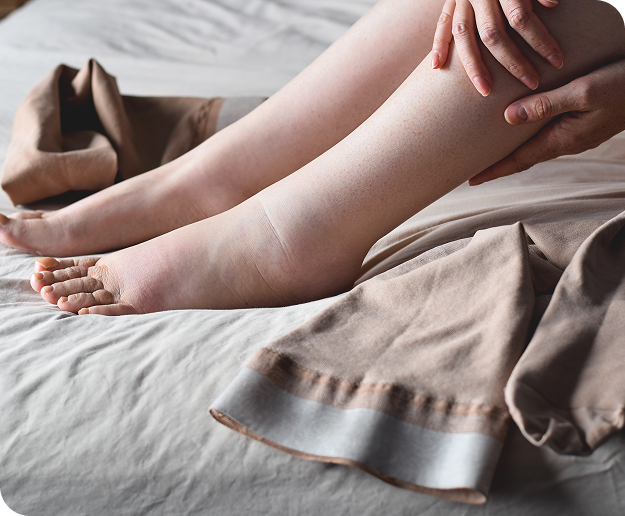
What may indicate lymphedema
Typical signs are one-sided swelling in the arms or legs, often also in the hands or feet. Many people describe a feeling of tightness or heaviness, clothing or jewelry that feels constricting, and skin that changes over time. The tissue may become firmer, visibly “thicken,” or react more sensitively to infections.
A specialist assessment is also advisable if swelling appears for the first time after surgery, radiotherapy or lymph node removal, or if congenital lymphedema is already known in the family.
Diagnosis & treatment of lymphedema
Vascular screening and ultrasound
For an initial assessment, modern measurement methods and ultrasound are used to evaluate the vascular system and tissue, as well as the function of veins, arteries and tissue. These examinations help distinguish lymphedema from other causes.
Advanced diagnostics for unclear findings
If necessary, we supplement the examination with special procedures such as lymphoscintigraphy. This shows how well lymph drainage is working and where any disruptions are located.
Therapy tailored to findings and stage
Treatment is usually a combination of lymphatic drainage, compression, movement and specific skin care. The goal is to reduce swelling and support lymph flow long term.
Why have lymphedema treated with us?

Specialist assessment of lymphedema
We carefully examine any swelling. The aim is to clarify whether it is truly lymphedema or another cause.

Experienced Doctors
The assessment is carried out by a specialist physician with expertise in lymphedema.

Modern diagnostics
We combine the clinical examination with specialized ultrasound analyses and screening procedures and, if needed, additional imaging.

Individual Consultation
You will receive a clear assessment of your findings, the stage, and the next sensible steps in diagnosis and treatment.

How Does Lymphedema Assessment Proceed?
Initial consultation & assessment
We talk with you about your symptoms, when they started, and possible triggers such as surgery, radiotherapy, injuries or a family history.
Examination & Ultrasound, further imaging if necessary
We assess swelling, skin and tissue structure. With vascular screening and ultrasound, we differentiate lymphedema from lipedema, venous insufficiency or other causes.
Evaluation & Therapy
If lymphedema is present, we determine its stage and extent and discuss suitable treatment options. If lymphedema is not present, we explain what further steps are advisable.

Years of Expertise in Vascular Medicine
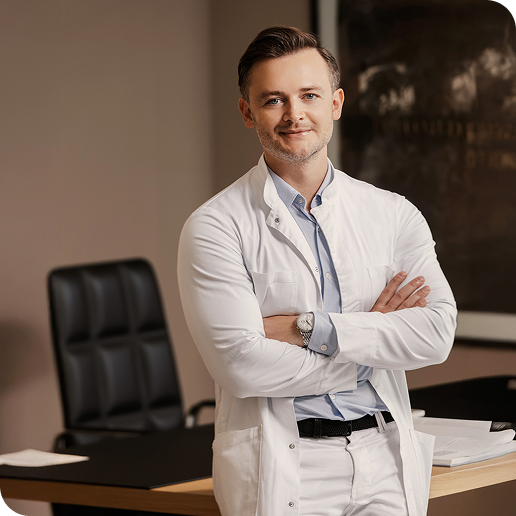
Treating lymphedema requires experience and expertise. Swelling can have very different causes. At our Vascular Center, diagnostics combine vascular medicine and dermatology, taking all symptoms into account. Dr. med. Andreas Gutwein, as your treating physician, will reliably assess whether lymphedema is present, how advanced it is, and which therapy makes sense in each individual case.
Dr. med. Andreas Gutwein is responsible for the assessment and treatment of vascular diseases at our Vascular Center; as a specialist in angiology and general internal medicine as well as phlebology, he is an expert in this field and has many years of experience in the diagnosis and treatment of lymphedema.
What you can expect from us
Angiology: vascular medicine
Angiology is the specialized discipline in medicine for connective tissue, venous, arterial, and lymphatic vessels. This ensures that lymphedema is not dismissed as mere swelling but is taken seriously as a medical condition.
Vascular ultrasound: precise diagnostics
We combine the clinical examination with ultrasound and—if necessary—additional imaging. This allows us to reliably distinguish lymphedema from lipedema, venous disease or organ-related conditions using modern measurement methods and, if needed, further imaging.
Vascular medicine meets dermatology
Many vascular conditions first become noticeable on the skin—through swelling, color changes or visible veins. At our Vascular Center, vascular medicine and dermatology therefore complement each other perfectly.
Everything under one roof
You receive diagnosis and medical treatment in one place. This means you have fixed contact persons, short distances, and coordinated care, from the initial examination to aftercare.
What patients say about our treatment
Are your legs or arms permanently swollen and feel heavy?
Have it checked to see if lymphedema is behind it
FAQ
Frequently asked questions about lymphedema
What is Lymphedema and What Causes It?
Lymphedema is a chronic swelling that occurs when the lymphatic system can no longer adequately drain fluid.
How Do I Recognize Lymphedema?
Typical symptoms include mostly one-sided swelling in the legs, arms, feet or hands, a feeling of tension, and sensitive skin. Over time, the skin can become firmer or thicker. If lymphedema is not treated, infections can occur more frequently later.
How is Lymphedema Diagnosed?
Diagnosis is made through a physical examination, vascular screening, and imaging procedures such as vascular ultrasound and, if necessary, special visualization of the lymphatic vessels (lymphography).
What is the Difference Between Lymphedema and Lipedema?
Lymphedema mainly presents as swelling, usually on one side or asymmetrical. Lipedema, by contrast, is a fat distribution disorder that occurs symmetrically and is often painful.
Who is Responsible for Lymphedema Treatment?
Specialists confirm the diagnosis and initiate therapy. They often work with physiotherapists and other specialists.
Who is Responsible for Lymphedema Treatment?
Angiologists (vascular specialists) diagnose and initiate therapy. They often work with physiotherapists and other specialists.
What Treatment Options Are Available?
Standard therapy consists of a combination of several measures: manual lymphatic drainage, compression stockings or bandages, targeted exercise, as well as skin care and education about the condition. In selected cases, a microsurgical procedure may also be advisable.
Can Lymphedema Disappear?
A chronic lymphedema, once developed, usually does not heal completely, but can be significantly improved and controlled with the right therapy. However, if lymphedema is detected and treated early, there is a possibility in the initial stage that it will resolve completely.
What Role Does Exercise Play in Lymphedema?
Regular exercise, especially with compression therapy, supports lymphatic flow and helps reduce swelling. Exercise therapies such as water aerobics and swimming are particularly suitable.
What Happens if Lymphedema is Not Treated?
The swellings usually increase, the skin can harden, and infections occur more frequently. Early treatment is therefore important.