PRP in Zurich
PRP (platelet-rich plasma) is one of the regenerative methods used in aesthetic dermatology. The treatment uses components of your own blood and does not require any foreign substances.


PRP
Clarify and treat chronic abscesses and painful nodules with an experienced dermatologist at the Derma Medical Clinic in Zurich - Sihlcity
Supporting skin quality and regeneration
As we age, skin texture, moisture and elasticity change. Fine lines, a dull complexion or a loss of firmness can be the result. Platelet-rich plasma (PRP) contains growth factors obtained from your own blood. They support the skin’s natural regeneration processes and, if needed and for a more intensive effect, are combined with microneedling. The treatment is suitable for patients who want a natural form of skin rejuvenation and would like to improve skin quality.
Treatment Options
Procedure
Examinations
Duration
Socially presentable after treatment
Sports, Swimming, Sauna
Cost
When the skin loses firmness
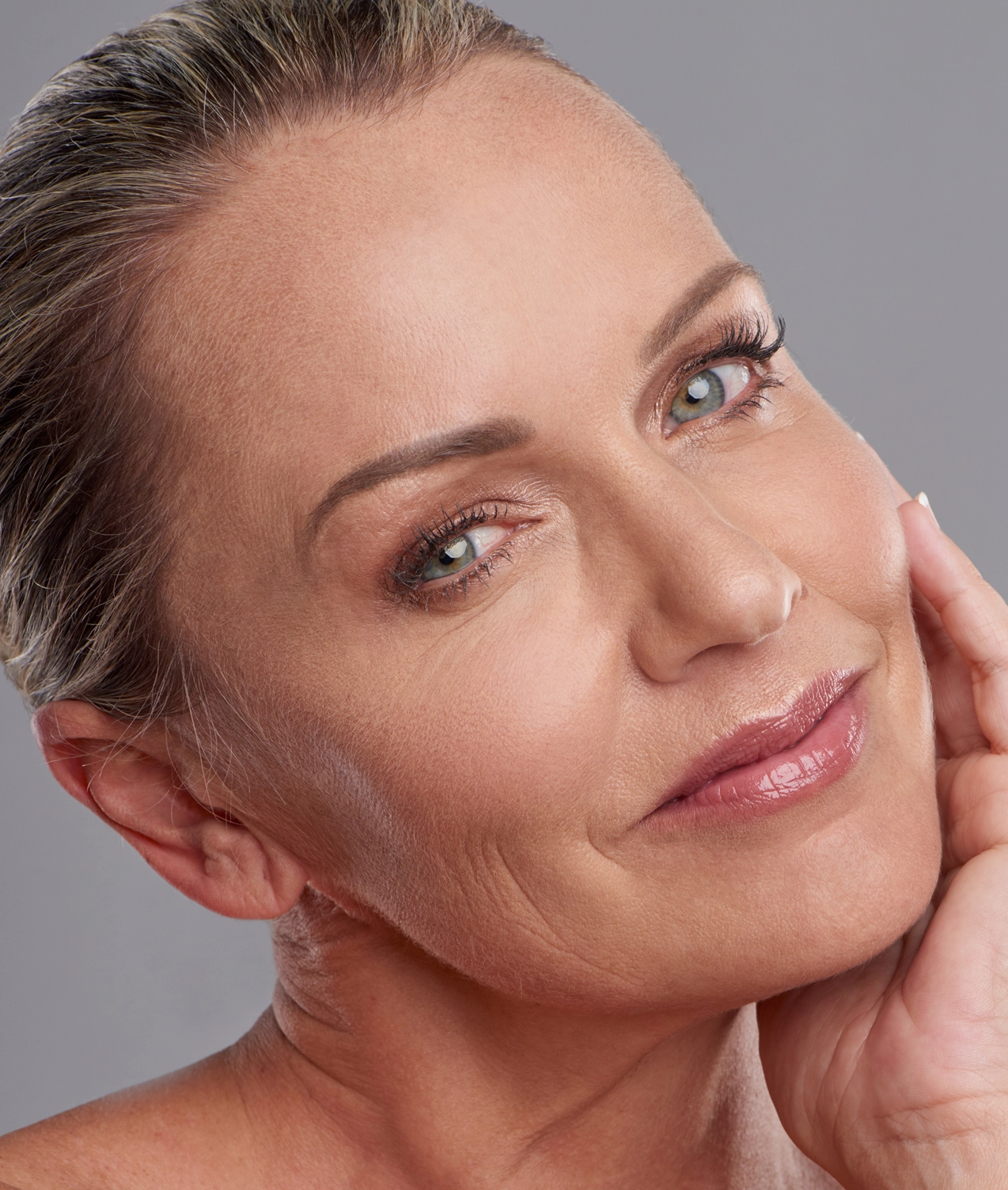
Skin changes over the years. It retains less moisture, regenerates more slowly and loses some of its elasticity. Many patients want a fresher, more vital complexion during this phase and a visible improvement in skin quality. With PRP, we take a regenerative approach based on the body’s own growth factors from the blood.
Why skin changes
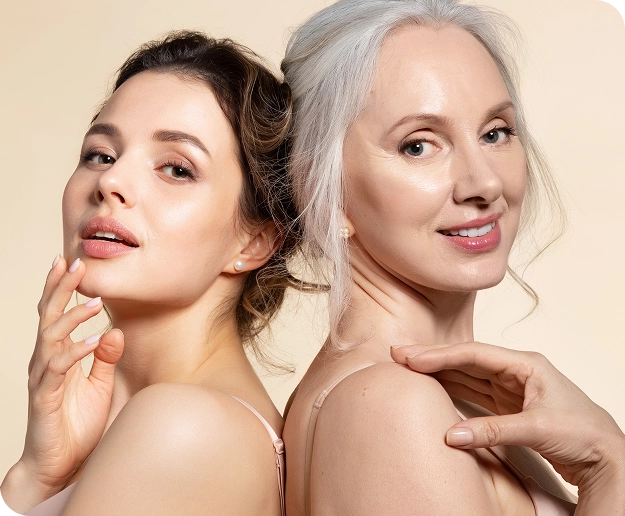
As we age, fibroblast activity decreases. The skin produces less collagen, elastin and hyaluronic acid. UV radiation, stress, hormonal changes and environmental factors also affect skin structure. Skin often appears drier, wrinkles become more pronounced and skin renewal works more slowly. PRP treatments can improve skin quality in the long term.
PRP treatment
When is PRP treatment useful?
PRP is suitable for declining skin quality, crepey wrinkles, a dull complexion or slowed regeneration. The treatment is performed on the face, neck, décolleté or hands. If needed, in combination with microneedling.
Which therapeutic approach is used?
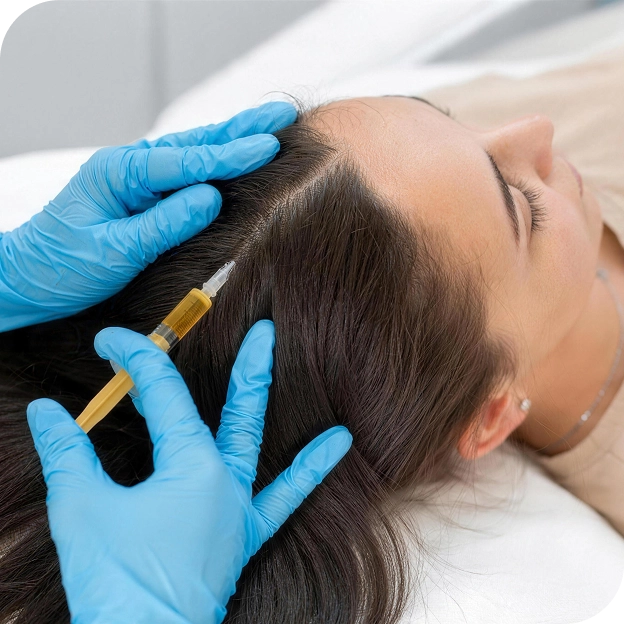
After a small blood draw, the platelets are concentrated and the plasma obtained is prepared. It contains growth factors that support regenerative processes. PRP can be injected directly or combined with needling. Fine, skin-friendly microchannels allow the growth factors to reach deeper layers of the skin.
What happens during the treatment?
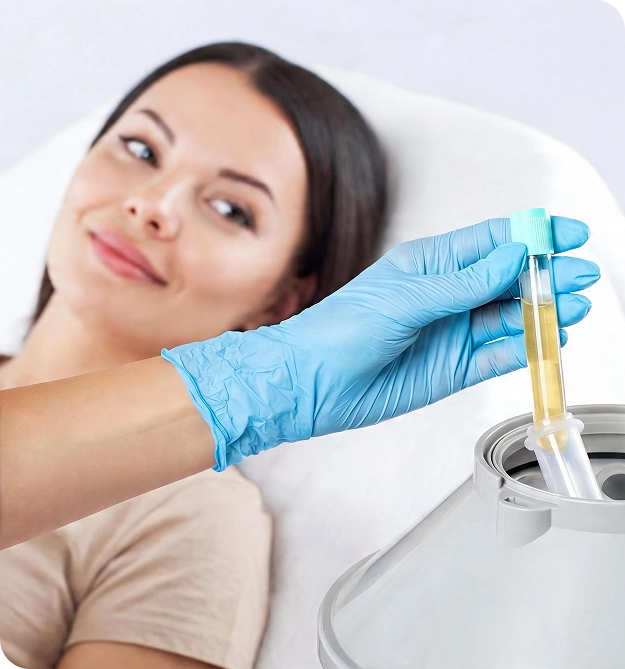
First, a small amount of blood is drawn. The PRP is then prepared in our practice by centrifugation. This is followed by treatment of the desired area.
Why have PRP treatment with us?

Natural result
PRP contains the body’s own components and supports skin renewal without adding volume or changing facial features.

Experienced Doctors
The treatment is performed by experienced specialist physicians with a focus on regenerative methods.

Modern Treatment Concepts
PRP is introduced into the skin via gentle injection or needling, or with the help of other methods.

Individual Consultation
We assess your skin condition, discuss treatment goals and possible combinations, and develop a concept tailored to your skin.
Procedure
Initial consultation & assessment
In the initial consultation, we discuss your desired treatment outcome. This is followed by an analysis of your complexion, skin quality and wrinkle situation. Together, we clarify which PRP treatment options suit your individual appearance and the result you want.
Treatment plan
Together, we determine which method will deliver the best result based on this analysis. We clarify whether filler, polynucleotides, PRP or a laser treatment—or a combination of these—is the right solution for your dark circles.
Treatment
After the blood draw, the collected blood is carefully processed to obtain platelet-rich plasma. This is followed by targeted treatment of the desired area.
Care & aftercare
Our team will give you individual recommendations for skincare and what to do in the first few days after treatment.
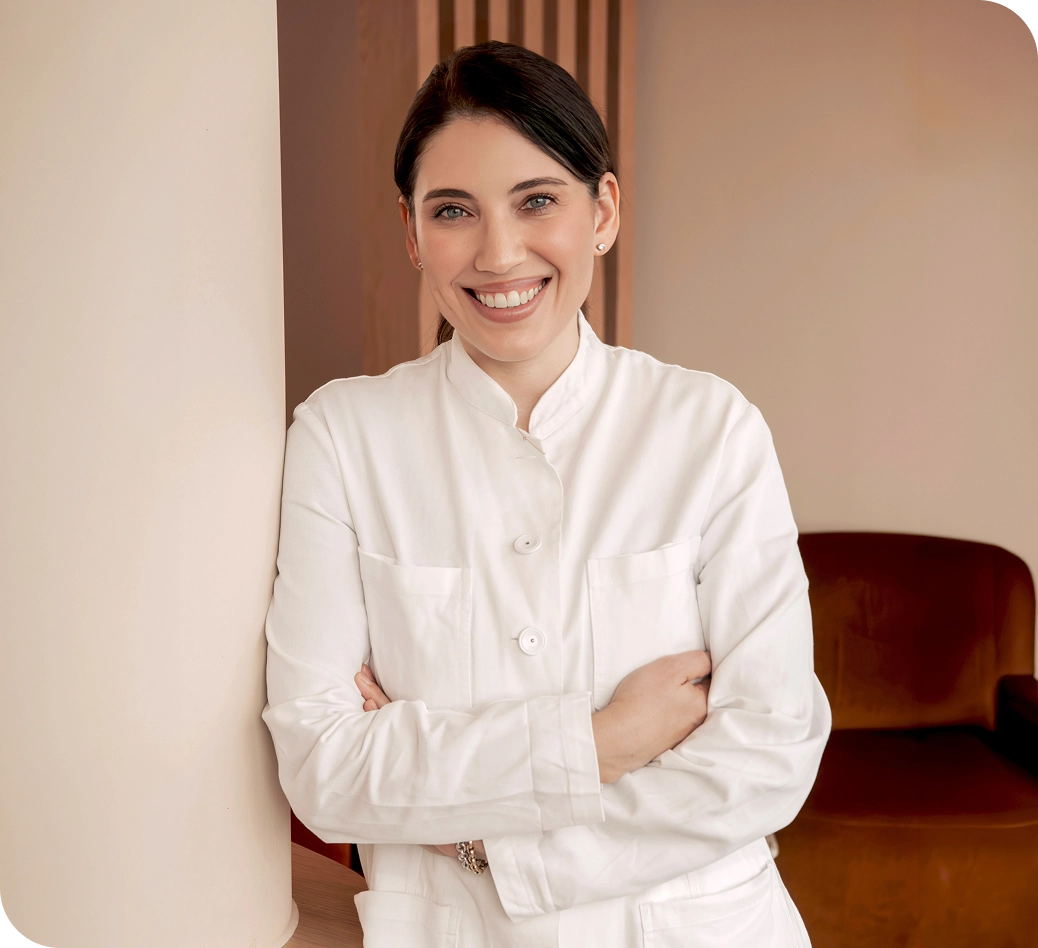
“Regenerative methods support the skin in its natural processes. What’s important to us is choosing the right method for your complexion and treatment goals.”
Dr. med. univ. Martina Tröbinger is a specialist in dermatology and venereology (FMH), laser medicine FMCH and holds the FMCH laser proficiency certificate. She combines modern aesthetic dermatology with a special focus on skin quality and natural results. PRP is often combined with medical needling, peels or other regenerative methods to provide targeted support for skin texture.
What you can expect from us
Medical expertise meets modern regeneration
We look at skin quality, skin texture and your individual needs in context and develop a suitable treatment concept.
Everything under one roof
Consultation, treatment, cosmetic application and follow-up take place in close coordination between aesthetic dermatology and skin therapy at Derma Medical Clinic Zurich.
Regenerative methods used with a sure touch
PRP treatment is planned individually and tailored to skin condition and treatment goals.
Individual planning instead of standard solutions
Not every skin benefits from the same treatment. We only combine PRP with other methods when it makes sense.
What patients say about our treatment
Not sure whether PRP is the right treatment for your skin?
We would be happy to advise you personally at Derma Medical Clinic Zurich.
FAQ
Frequently asked questions about PRP treatment
What is PRP?
PRP is short for platelet-rich plasma. It is obtained from your own blood and contains growth factors that support the skin’s natural regeneration processes. The blood draw, processing and subsequent introduction into the skin via injection or needling are carried out at Derma Medical Clinic in Zurich.
What does PRP do?
PRP can improve skin quality and stimulate the formation of collagen and elastin. The skin looks fresher, more even and more elastic as a result. The method is used to support skin regeneration, not to add volume.
Which areas is PRP suitable for?
PRP treatment is suitable for the face, eye area, neck, décolleté, hands and scalp in cases of hair loss.
What is the difference between PRP and hyaluronic acid?
Hyaluronic acid is used to add volume and contour. PRP takes a regenerative approach and supports skin quality and renewal through the body’s own growth factors. Both methods can complement each other and are combined when needed.
What is the difference between PRP and polynucleotides?
Polynucleotides and PRP are both regenerative methods. PRP is obtained from your own blood and contains growth factors. Polynucleotides are made from purified DNA building blocks and also support skin regeneration in a biological way. Which treatment is better suited depends on skin condition and treatment goals.
When will you see the first results?
The effect develops gradually. Initial changes may become visible after a few weeks. Since skin regeneration takes time, the complexion improves over several weeks to months.
How many sessions are recommended?
Depending on skin condition, we recommend three to four treatments spaced a few weeks apart. After that, maintenance treatments may be useful.
Can PRP be combined with microneedling?
If needed and depending on the current condition of the skin, we combine PRP treatment with microneedling or other suitable methods. Needling creates fine microchannels. These support the absorption of growth factors and enhance the regenerative effect.
Can PRP be combined with a peel?
Depending on your skin, PRP can be combined with medical peels to additionally treat, for example, skin texture, pigmentation disorders or fine lines.
Does PRP help with fine wrinkles?
PRP can smooth wrinkles and improve declining skin quality. Deep wrinkles or volume loss often require other methods or a combination of different approaches, for example with autologous fat or hyaluronic acid fillers.
Can PRP be used for acne scars?
In combination with microneedling, PRP is used to treat acne scars and improve skin texture.
Is PRP a natural treatment?
Since only components of your own blood are used, PRP is one of the natural, biostimulating treatments to promote skin regeneration. No foreign substances are used.
Is the treatment painful?
The treatment is generally well tolerated. Before the injection, a numbing cream can be applied on request. In most cases, this is not necessary.
Will I be socially presentable after PRP treatment?
After PRP injections, most patients are socially presentable again immediately. After a combination with microneedling, redness may persist for a few hours to a few days. As a rule, this can be covered with makeup.
Can PRP also be used for hair loss?
PRP is also used to support hair roots in certain forms of hair loss. The treatment follows a separate concept at Derma Medical Clinic in Zurich.
How long does the result last?
How long it lasts depends on skin condition, age and lifestyle. Many patients opt for regular maintenance treatments after the initial course.
Who is PRP suitable for?
PRP is particularly suitable for people who want to improve their skin quality and value a regenerative, natural approach. Whether the treatment makes sense is assessed in a personal consultation at Derma Medical Clinic in Zurich.